Discover the Role of Thyroid Surgeons

Thyroid disorders require precise and expert surgical intervention to ensure optimal patient outcomes. Specialized thyroid surgery addresses complex conditions such as thyroid cancer, hyperparathyroidism, and adrenal tumors. These procedures demand a high level of skill and experience due to the delicate anatomy and critical functions of the endocrine system. This article explores the role of specialized thyroid surgery, the conditions it treats, and the expertise involved in delivering advanced care.
Understanding Specialized Thyroid Surgery
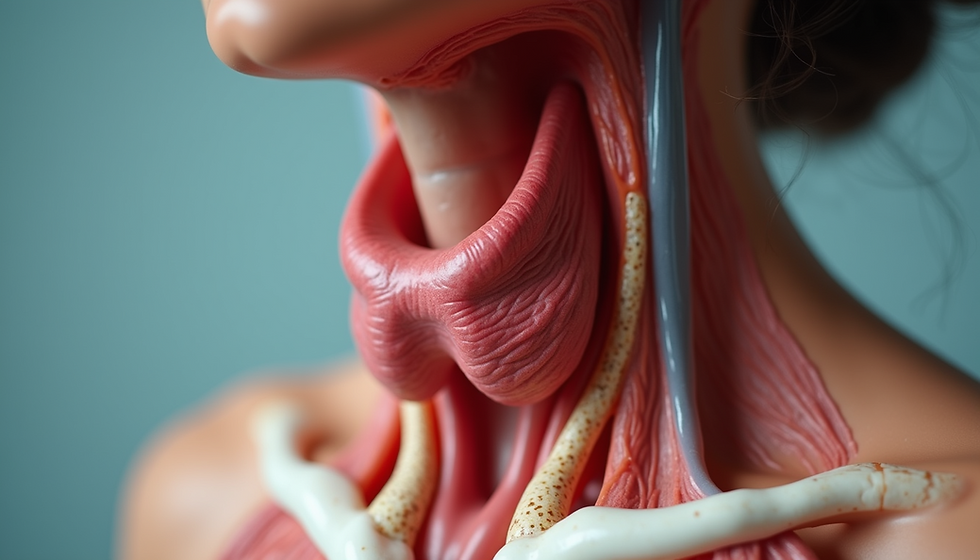
Specialized thyroid surgery involves procedures performed on the thyroid gland and related endocrine structures. The thyroid gland, located in the neck, regulates metabolism through hormone production. Surgical intervention becomes necessary when there are malignant tumors, nodules causing symptoms, or hormonal imbalances that cannot be managed medically.
The scope of specialized thyroid surgery includes:
Thyroidectomy: Partial or total removal of the thyroid gland, often indicated for thyroid cancer or large goiters.
Parathyroidectomy: Removal of one or more parathyroid glands to treat hyperparathyroidism.
Adrenalectomy: Surgical removal of adrenal tumors that may affect hormone production.
These surgeries require detailed knowledge of neck anatomy, including nerves and blood vessels, to minimize complications such as vocal cord paralysis or hypocalcemia.

Conditions Treated by Specialized Thyroid Surgery
Specialized thyroid surgery addresses several critical endocrine disorders. Each condition demands a tailored surgical approach based on the patient's diagnosis and overall health.
Thyroid Cancer
Thyroid cancer is a primary indication for specialized thyroid surgery. The procedure often involves removing the entire thyroid gland (total thyroidectomy) or a portion of it (lobectomy). The goal is to excise cancerous tissue while preserving surrounding structures. Postoperative care includes monitoring thyroid hormone levels and, in some cases, radioactive iodine therapy.
Hyperparathyroidism
Hyperparathyroidism results from overactive parathyroid glands producing excess parathyroid hormone, leading to elevated calcium levels. Surgery involves removing the affected glands to restore calcium balance. This condition can cause bone loss, kidney stones, and fatigue if untreated.
Adrenal Tumors
Adrenal tumors may be benign or malignant and can affect hormone secretion, causing conditions such as Cushing's syndrome or pheochromocytoma. Adrenalectomy, often performed laparoscopically or robotically, removes the tumor while preserving adrenal function when possible.
These surgeries require precise preoperative evaluation, including imaging and laboratory tests, to plan the safest and most effective approach.
Does an Endocrinologist Do Thyroid Surgery?
Endocrinologists specialize in diagnosing and managing hormonal disorders but do not perform thyroid surgery. Their role is critical in the medical management and diagnosis of thyroid and parathyroid diseases. They collaborate closely with surgeons to determine when surgical intervention is necessary.
Surgical treatment is performed by specialized surgeons trained in endocrine surgery. These surgeons possess expertise in the anatomy and pathology of the thyroid, parathyroid, and adrenal glands. They also stay updated on advanced surgical techniques, including minimally invasive and robotic-assisted procedures.
Patients benefit from a multidisciplinary approach where endocrinologists and surgeons coordinate care to optimize outcomes.

The Expertise of a Thyroid Surgeon
A thyroid surgeon is a specialist with advanced training in endocrine surgery. This expertise is essential for managing complex cases involving the thyroid, parathyroid, and adrenal glands. The surgeon’s responsibilities include:
Conducting thorough preoperative assessments.
Planning individualized surgical strategies.
Performing precise and safe surgical procedures.
Managing postoperative care and monitoring for complications.
The surgeon’s skill directly impacts patient recovery and long-term health. For example, preserving the recurrent laryngeal nerve during thyroidectomy prevents vocal cord paralysis. Similarly, careful identification of parathyroid glands reduces the risk of hypocalcemia after surgery.
Advanced techniques such as robotic surgery enhance precision and reduce recovery time. These innovations are integral to modern specialized thyroid surgery.
Preparing for Specialized Thyroid Surgery
Preparation for specialized thyroid surgery involves several steps to ensure patient safety and surgical success:
Diagnostic Evaluation: Imaging studies such as ultrasound, CT scans, or MRI help define the extent of disease. Fine needle aspiration biopsy may be performed for thyroid nodules.
Laboratory Tests: Blood tests assess thyroid function, calcium levels, and hormone profiles.
Medical Optimization: Patients with comorbidities receive appropriate management before surgery.
Patient Education: Clear communication about the procedure, risks, benefits, and postoperative expectations is essential.
Patients should follow preoperative instructions carefully, including fasting and medication adjustments. Postoperative care plans include monitoring for complications and hormone replacement therapy if necessary.
Advancements in Specialized Thyroid Surgery
Technological advancements have transformed specialized thyroid surgery. Minimally invasive techniques and robotic-assisted surgery offer several benefits:
Smaller incisions and reduced scarring.
Less postoperative pain.
Shorter hospital stays.
Faster recovery times.
Robotic surgery provides enhanced visualization and precision, allowing surgeons to navigate complex anatomy more effectively. These innovations improve patient outcomes and satisfaction.
Continuous research and training ensure that surgeons remain at the forefront of these developments, delivering the highest standard of care.
Accessing Specialized Thyroid Surgery in Puerto Rico
Patients in Puerto Rico seeking specialized endocrine or general surgery can access expert care tailored to their needs. Dr. Texell Longoria Dubocq is committed to providing personalized treatment for complex endocrine conditions, including thyroid cancer, hyperparathyroidism, and adrenal tumors.
The integration of advanced surgical techniques, such as robotic surgery, reflects a dedication to improving patient outcomes. Comprehensive care includes preoperative evaluation, surgical intervention, and postoperative follow-up.
Choosing a specialized surgeon ensures that patients receive expert management of their endocrine disorders with a focus on safety and effectiveness.
Specialized thyroid surgery plays a vital role in managing serious endocrine conditions. Expertise, precision, and advanced technology combine to offer patients the best possible outcomes. For those requiring surgical treatment of thyroid, parathyroid, or adrenal disorders, seeking care from a dedicated specialist is essential.


Comments